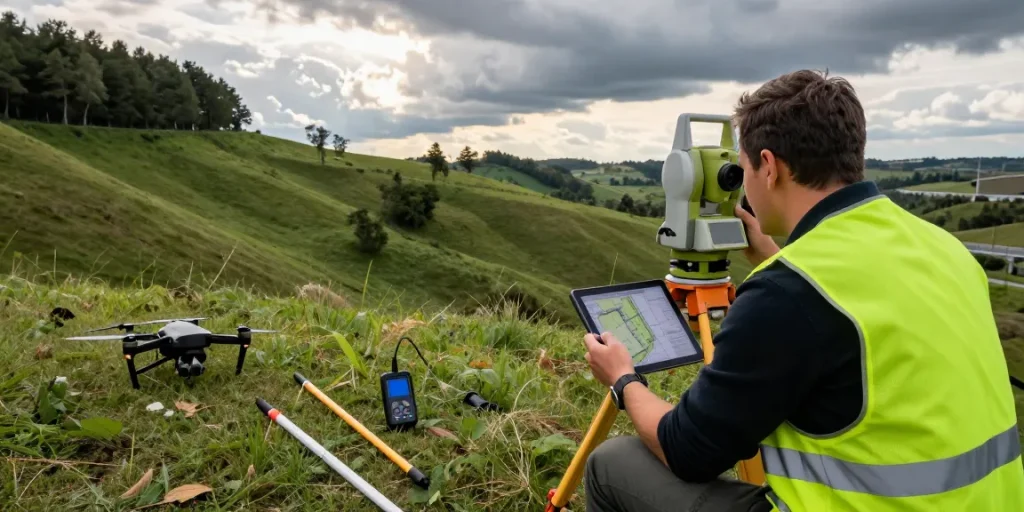

Understanding Topographical Surveys Southampton
Topographical surveys are essential tools used in land development, providing crucial data about the features and elevations of a given parcel of land. These surveys are not just about capturing a landscape; they serve as a foundation for informed decision-making in various sectors, including construction, architecture, and environmental management. In Southampton, the demand for precise topographical data has increased significantly as urban development continues to rise, necessitating an understanding of both natural and man-made features of the landscape. When exploring options, Topographical surveys Southampton can provide comprehensive insights into your project’s needs, ensuring that you are equipped with accurate information for planning and compliance.
What is a Topographical Survey?
A topographical survey is a detailed representation of the terrain of a given area, outlining both natural and built features. This includes data on elevation, landforms, vegetation, bodies of water, and existing structures. The objective is to create a clear, scaled map that enables architects, engineers, and planners to understand the site’s characteristics. Various methods and technologies, such as GPS, total stations, and drones, are employed to ensure the accuracy of this data, which is critical for any development project.
Importance of Topographical Surveys in Land Development
Topographical surveys play a pivotal role in land development, serving several key functions:
- Accurate Planning and Design: They provide essential information needed for effective site design, allowing professionals to align their projects with natural features.
- Identify Constraints and Hazards: These surveys can reveal potential issues such as flood-prone areas or unstable ground, essential for risk management.
- Support for Planning Applications: Many local authorities require these surveys to assess compliance with planning regulations.
- Prevent Costly Errors: By providing precise data, topographical surveys help prevent misunderstandings and costly mistakes later in the project lifecycle.
- Property Boundary Clarity: They clarify land ownership and boundaries, aiding in legal documentation and dispute resolution.
Common Misconceptions about Topo Surveys
Despite their importance, there are several misconceptions surrounding topographical surveys:
- They are just map-making: In reality, topographical surveys involve complex data collection and analysis, far beyond simple mapping.
- Only for large projects: Smaller developments also greatly benefit from topographical surveys to ensure accuracy and compliance.
- One size fits all: Each project has unique requirements, necessitating tailored survey strategies and methodologies.
Who Needs Topographical Surveys Southampton?
Topographical surveys have a wide range of applications across different industries and project types. Understanding who requires these services can help streamline the planning process and ensure that all stakeholders are informed and prepared.
Key Industries Requiring Accurate Surveys
Several sectors rely on topographical surveys, including:
- Construction: Builders require detailed land information for the safe and efficient construction of buildings and infrastructure.
- Environmental Management: These surveys assist in assessing the ecological impact of potential development projects.
- Architecture: Architects use topo surveys to inform their designs, ensuring that buildings complement the surrounding landscape.
- Urban Planning: City planners depend on accurate data to make decisions about land use and zoning.
Project Types Benefitting from Topographical Data
Various project types benefit significantly from topographical surveys, including:
- Commercial Developments: Large projects such as shopping centres and office buildings need detailed site assessments.
- Infrastructure Projects: Roads, bridges, and public facilities require comprehensive surveys to inform construction.
- Residential Developments: New housing projects can use topo surveys to understand site conditions and design layouts accordingly.
Client Expectations and Survey Deliverables
Clients engaging in topographical surveys typically expect:
- Accuracy: Data must be precise, reflecting the true features of the land.
- Timeliness: Surveys should be completed quickly to keep projects on schedule.
- Clarity: Deliverables must be presented in a user-friendly format, often compatible with CAD and BIM software.
Best Practices for Conducting Topographical Surveys
To achieve reliable and effective results, following best practices is essential when conducting topographical surveys.
Utilising Modern Equipment for Accurate Results
The advancement of technology has revolutionised surveying methods. Equipment such as:
- Total Station Instruments: These combine a theodolite for measuring angles and EDM for distance, ensuring high precision.
- GPS Surveying Equipment (GNSS): This allows for accurate positioning, particularly beneficial for large and open sites.
- 3D Laser Scanners (LiDAR): These tools capture extensive data points for detailed 3D representations of terrains.
- UAVs (Drone Surveys): Drones effectively map difficult terrains and provide high-resolution images from above.
- Digital Level Instruments: These are used for measuring vertical heights, essential for creating precise contour maps.
Preparation Steps Before the Survey
Proper preparation is crucial to the success of a topographical survey. Essential steps include:
- Site Assessment: Conducting an initial assessment to identify potential obstacles and challenges.
- Stakeholder Consultation: Engaging with clients and other stakeholders to clarify project requirements and expectations.
- Weather Considerations: Planning surveys during favourable weather conditions for optimal data collection.
Safety Protocols in Surveying Operations
Maintaining safety during surveying operations is paramount. Key safety protocols include:
- Personal Protective Equipment (PPE): Ensuring all surveyors wear appropriate gear to mitigate risks.
- Site Hazards Identification: Identifying and mitigating any potential hazards at the site before commencing work.
- Emergency Preparedness: Developing a clear plan for emergencies, ensuring all team members are aware of procedures.
Cost Factors for Topographical Surveys Southampton
The costs associated with topographical surveys can vary widely depending on several factors. Understanding these factors can help clients budget effectively for their projects.
Understanding Pricing Models in the Surveying Industry
Pricing for topographical surveys can depend on numerous elements, including:
- Project Size: Larger projects generally require more resources and time, impacting the overall cost.
- Complexity: Sites with challenging terrain or specific requirements may incur higher costs due to the additional work involved.
- Location: Surveying in urban areas may attract higher fees due to accessibility and logistics involved.
Budgeting for Different Project Sizes
As a general guide, prices for topographical surveys can range as follows:
- Small residential plots: Approximately £450–£750
- Medium commercial sites: Between £1,000 and £1,500
- Large infrastructure or complex projects: Starting from £1,500+
How to Get Accurate Quotes for Your Survey Needs
To receive accurate quotes, clients should:
- Provide Detailed Project Information: Clear descriptions of the site and requirements will help surveyors give a precise estimate.
- Request Multiple Quotes: Comparing quotes from different surveying firms can ensure competitive pricing.
- Ask About Hidden Costs: Ensure that quoted prices include all potential fees to avoid surprises later.
Future Trends in Topographical Surveys Southampton (2026 and Beyond)
As technology and methods evolve, so does the field of topographical surveying. Being aware of future trends can help clients stay ahead of the curve.
Emerging Technologies in Surveying
Innovations such as autonomous drones, AI-driven data analysis, and enhanced mobile mapping techniques are set to revolutionise the surveying industry, offering greater efficiency and accuracy.
Anticipated Changes in Client Demand
With increasing environmental awareness and sustainability efforts, there is a growing demand for surveys that consider ecological impacts and landscape preservation.
Environmental Considerations for Future Surveys
Future topographical surveys are likely to incorporate more environmentally friendly practices, including reduced carbon footprints and the use of renewable energy sources in equipment.
How Can Topographical Surveys Improve Planning Applications?
Accurate topographical surveys provide the necessary data to substantiate planning applications, ensuring compliance with local regulations and reducing the likelihood of disputes.
What Technologies Are Used in Topographical Surveys?
As mentioned earlier, technologies such as LiDAR, GPS, and UAVs are at the forefront of modern topographical surveying, allowing for enhanced precision and data collection.
How Much Should You Expect to Pay for a Topographical Survey?
Costs vary widely based on the project’s requirements and size, but providing clear specifications to surveying firms can yield more accurate and tailored pricing.