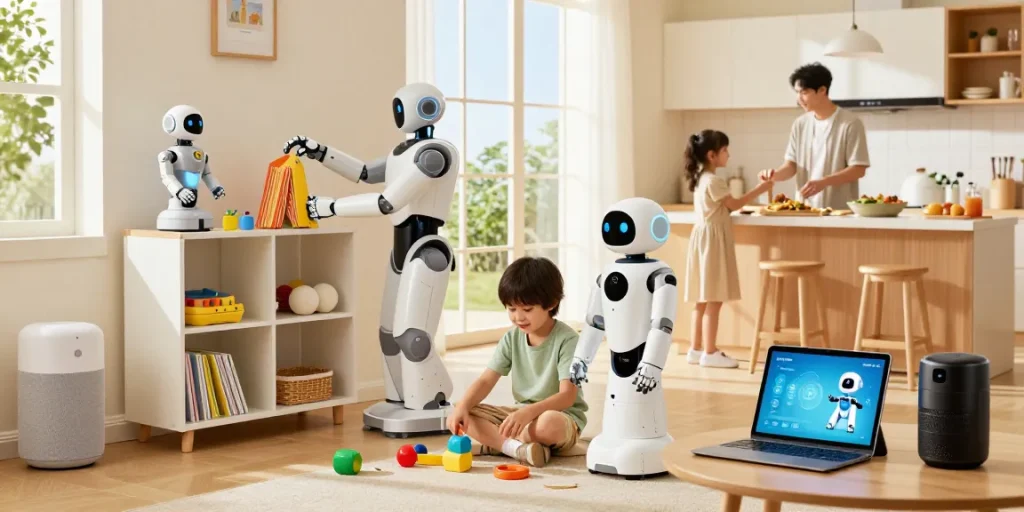

The Evolution of Home Robotics in 2026
As we gaze into the future, the realm of home robotics is on the verge of a significant transformation. By 2026, we can expect a new wave of innovations that will redefine how we interact with technology in our daily lives. With advancements in artificial intelligence and machine learning, these robots are poised to take on increasingly complex tasks, making life easier and more convenient. When exploring options, home robot 2026 provides comprehensive insights into the latest developments and trends that promise to change our homes.
Key Milestones in Home Robot Development
The journey of home robotics has been long and filled with remarkable milestones. In the early days, robots were primarily designed for simple tasks such as vacuuming or mowing lawns. However, the evolution of technology has led to the development of multifunctional robots capable of performing a wide range of activities. In 2022, we witnessed the introduction of robots like the Roomba i7+, which could navigate complex environments and even empty their own dustbins. Fast forward to 2026, and we are now seeing robots capable of cooking, doing laundry, and even providing companionship.
Comparing Today’s Robots to Future Innovations
Today’s robots are limited in their capabilities, primarily focusing on repetitive tasks. In contrast, the robots of 2026 will feature advanced AI that allows them to learn from their environments and adapt to the needs of their users. For example, future robots may employ facial recognition technology to identify family members and adjust their tasks accordingly, ensuring a personalized experience.
How Home Robots Will Change Daily Chores
Automation of Routine Tasks
One of the most significant impacts of home robots will be the automation of routine tasks. By 2026, we can expect robots that can efficiently manage cleaning, cooking, and even grocery shopping. Imagine a robot that can prepare a meal based on your dietary preferences, automatically source ingredients, and cook it to perfection. These advancements will save time and reduce the burden of daily chores for families.
Time-Saving Benefits for Busy Families
In our fast-paced world, many families juggle work, school, and social commitments. Home robots will serve as invaluable allies by taking on time-consuming tasks. Parents will be able to focus on quality family time or their careers, knowing that household chores are being handled. This will lead to a more balanced lifestyle, with less stress and more flexibility in daily routines.
Enhanced Interaction and Assistance
As home robots become more integrated into family life, their ability to interact and provide assistance will improve dramatically. With advancements in natural language processing, future robots will engage in meaningful conversations and understand context, making them more relatable and effective in assisting with everyday tasks. Think of having a conversational partner who can remind you of appointments, provide updates on your schedule, or help you manage household tasks seamlessly.
Top Home Robots to Look for in 2026
Overview of NEO and Other Leading Models
Among the leading contenders in the home robot market for 2026 is the NEO, a humanoid robot designed to perform a variety of household tasks. NEO represents a significant leap forward in design and functionality, boasting capabilities such as advanced navigation, real-time problem-solving, and adaptive learning. Other notable models expected to hit the market include LG’s CLOiD, a robot featuring integrated AI that specializes in home management.
Unique Features of Each Home Robot
- NEO: Equipped with advanced sensors and machine learning algorithms, NEO can perform tasks such as vacuuming, cooking, and providing companionship.
- CLOiD: This robot focuses on home management, offering features like laundry folding and personal shopping assistance.
- iRobot Terra: A lawn mowing robot that adapts to your yard’s layout, ensuring a well-maintained lawn without human intervention.
Price Points and Budget Considerations
The price of home robots is expected to vary significantly based on their features and capabilities. Budget models may start around $1,000, while more advanced humanoid robots like NEO and CLOiD could range from $20,000 to $30,000. This pricing reflects the complexity and technology involved in creating these sophisticated machines. As the market develops, we may also see more affordable options as competition grows and technology becomes more accessible.
Integrating Home Robots into Smart Homes
Connecting Robots with Smart Home Devices
Integration is key to maximizing the potential of home robots. In 2026, we will witness seamless connectivity between robots and existing smart home devices. By using platforms like Amazon Alexa or Google Assistant, homeowners can command their robots to perform tasks while managing other connected devices. For instance, a home robot could trigger the thermostat to adjust the temperature before it starts cooking dinner.
Setting Up and Customizing Your Robot
Setting up a home robot will require an initial investment of time for customization. Users will be able to program their robots to understand individual preferences for tasks, schedules, and even family dynamics. This customization process will help the robot learn what’s most important to the household, making it a more effective assistant.
Optimizing Performance for Household Efficiency
To get the most out of home robots, optimization will be essential. Regular updates to the operating system and software will ensure they continue to learn from user behavior and adapt to new challenges. Homeowners can expect capabilities to enhance efficiency further, like robots re-routing their tasks based on real-time household activities.
Future Trends in Home Robotics
Advancements in AI and Machine Learning
The advancements in AI and machine learning over the next few years will significantly influence home robotics. By 2026, we can expect robots to possess enhanced cognitive abilities that enable them to perform a broader range of tasks with minimal human intervention. This includes understanding emotional cues, facilitating communication between family members, and even managing energy consumption within the home.
Potential Challenges and Ethical Considerations
Despite their many benefits, home robots will also bring forth challenges and ethical considerations. Issues surrounding privacy, job displacement, and the potential for malfunction must be addressed as these technologies become more integrated into daily life. Establishing a regulatory framework that ensures ethical development and deployment of home robots will be crucial to their acceptance in society.
The Future Landscape of Robotics in Home Life
As we look ahead, the landscape of robotics in home life appears promising yet complex. With the possibility of integrating AI-driven personal assistants into our daily routines, the future will undoubtedly usher in a new era of convenience and efficiency. However, embracing these changes will require thoughtful consideration of their implications on lifestyle and society.
What is the expected price range for home robots in 2026?
The expected price range for home robots is quite broad, with basic models starting around $1,000, while advanced humanoid robots might reach prices between $20,000 and $30,000.
How do home robots enhance the quality of life?
Home robots enhance quality of life by automating mundane tasks, allowing for more free time, reducing stress, and even providing companionship.
What tasks can home robots perform effectively?
Modern home robots can perform tasks such as cleaning, cooking, grocery shopping, and even assisting with childcare.
Will home robots require constant supervision?
While initial supervision may be necessary for setup and learning phases, advanced home robots will be designed to operate independently, adapting to their household environments.
How do I choose the right home robot for my needs?
Choosing the right home robot involves evaluating your specific needs, budget, and the tasks you wish to automate. Researching models and their features can help make an informed decision.