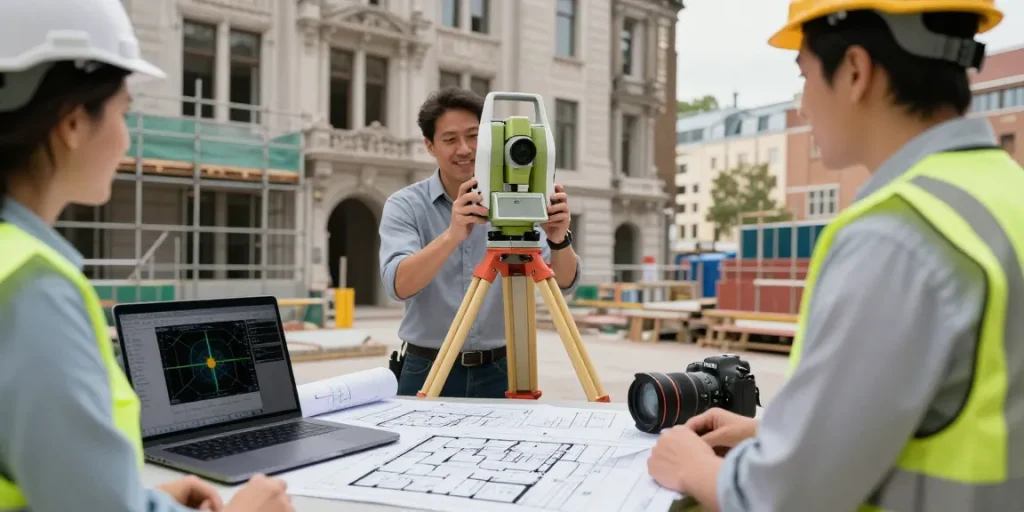

Understanding Measured Building Surveys in Sussex
Measured building surveys are essential tools for architects, developers, and property owners when planning renovations, new constructions, or assessing existing structures. These surveys provide detailed information about a building’s dimensions, layout, and features, ensuring a comprehensive overview that facilitates informed decision-making. For those considering a project in Sussex, Measured Building Surveys Sussex can help illuminate the specifics of your property.
What Are Measured Building Surveys?
A measured building survey is a precise and detailed method of capturing the geometry and features of a building. Unlike regular surveys that might focus on broader aspects like land boundaries, measured building surveys delve into the specifics. They often include:
- Accurate floor plans
- Elevation drawings
- Sectional views
- 3D models using advanced scanning technologies
The outcome is a comprehensive dataset that can be used for a variety of applications, from planning permission to renovation projects.
Key Benefits of Measured Building Surveys
Investing in measured building surveys offers numerous advantages:
- Accuracy: High precision ensures that every detail of a building is captured, minimising the risk of errors in design and construction.
- Time Efficiency: Accurate measurements reduce the amount of rework and adjustments during construction.
- Informed Decision Making: Whether you are planning an extension or restoring a heritage site, the detailed information provided aids in making better decisions.
- Compliance: Helps ensure building regulations and standards are met, especially in conservation areas.
Common Misconceptions about Measured Building Surveys
There are several misconceptions regarding measured building surveys:
- Only for Large Projects: Many believe these surveys are only necessary for large-scale developments, but they are equally valuable for small renovations.
- Cost-Prohibitive: While costs can vary, the long-term savings and benefits often outweigh the initial investment.
- Not Necessary for New Builds: Even new builds benefit from measured surveys to ensure compliance with design specifications.
Cost Factors for Measured Building Surveys in Sussex
The cost of measured building surveys can differ greatly based on various factors. Understanding these can help you budget effectively for your project.
What Influences the Cost of Measured Building Surveys?
Several variables impact the cost of a measured building survey:
- Size of the Property: Larger properties naturally require more time and resources to survey.
- Complexity of the Architecture: Buildings with intricate designs or multiple levels may incur higher costs due to the increased effort needed for accurate surveying.
- Location: The proximity of the site can influence travel and logistical costs.
- Required Deliverables: Custom requests for specific types of drawings or additional 3D modelling can add to the expense.
Average Price Range for Measured Building Surveys
The average cost for a measured building survey in Sussex typically ranges from £600 to £1,500+, depending on the factors mentioned above. This investment is critical to ensuring your project is built on a solid foundation of accurate measurements.
Additional Costs to Consider
In addition to the base cost of the survey, you might encounter other expenses:
- Revisions: Changes to initial survey requirements may result in additional charges.
- Specialised Reports: Requests for in-depth analyses, like structural assessments, can increase overall costs.
- Surveyor’s Travel Charges: If your property is in a remote area, be prepared for potential travel surcharges.
Choosing the Right Surveyor in Sussex
Selecting the right surveyor is crucial for the success of your measured building survey. Here are key considerations to help you make an informed choice.
Qualities of a Professional Measured Building Surveyor
When evaluating potential surveyors, look for the following attributes:
- Experience: A proven track record in conducting measured surveys in various types of properties.
- Qualifications: Ensure they are accredited by relevant professional bodies such as The Survey Association (TSA).
- Technology Savvy: The use of modern surveying technology like 3D laser scanning should be a standard practice.
- Client Reviews: Positive testimonials can provide insights into their reliability and expertise.
Questions to Ask Before Hiring
To ensure that you are choosing a capable surveyor, consider asking:
- What is your experience with similar projects?
- Can you provide references or examples of past work?
- What specific technology do you use for measurements?
- How do you ensure the accuracy of your surveys?
How to Verify Credentials and Experience
To confirm the legitimacy of your chosen surveyor:
- Check their professional affiliations and qualifications through reputable organisations.
- Review their portfolio to assess the quality and breadth of their work.
- Request client feedback to gauge satisfaction levels.
Best Practices for Measured Building Surveys
To facilitate a smooth surveying process, adhere to the following best practices.
Preparation Steps for Property Owners
Prior to the survey, property owners should:
- Clear access points to the site to facilitate easy movement for surveyors.
- Gather relevant documents, such as previous survey reports or building plans, to provide context.
- Communicate specific needs or concerns with the surveyor beforehand.
Using Technology for Accurate Measured Surveys
Modern surveying relies heavily on advanced technology, which can include:
- 3D Laser Scanners: For capturing precise measurements and creating detailed models.
- Geographic Information Systems (GIS): To analyse spatial data effectively.
- Drones: For aerial surveys of larger properties or sites where traditional methods may be cumbersome.
How to Interpret Survey Results Effectively
Once you receive the survey results, understanding them is crucial. Here’s how:
- Review key metrics such as dimensions and elevations carefully.
- Consult your architect or project manager for a detailed breakdown of how these results will impact your project.
- Use the survey data as a foundation for further assessments, like structural evaluations or planning applications.
Future Trends in Measured Building Surveys
As technology advances, the field of measured building surveys is evolving. Here are some anticipated trends for the future.
Innovations in Surveying Technology for 2026
Future innovations may include:
- Increased use of AI for enhanced accuracy and efficiency in data analysis.
- Integration of augmented reality (AR) for visualising survey data in real-time.
- Development of more portable and user-friendly surveying equipment.
Impact of Regulatory Changes on Measured Surveys
Changes in construction and building regulations can significantly affect measured surveys. Keeping abreast of these regulations is critical for surveyors and project teams to ensure compliance.
Predictions for the Building Survey Industry
Experts predict a growing demand for measured building surveys as urban development continues. Increased collaboration between architects, engineers, and surveyors will also lead to more integrated approaches to building and renovation projects.
How much should a measured survey cost?
Typically, the costs for measured building surveys range from £600 to £1,500+, depending on property size, layout complexity, and specific survey requirements.
What is a measured building survey?
A measured building survey is a detailed analysis that captures the measurements and characteristics of a building, providing essential data for renovations, restorations, or new constructions.
How can I find a qualified building surveyor in Sussex?
Research local surveyors, check qualifications, read reviews, and consider recommendations from peers in construction or real estate.
What technologies are used in modern measured building surveys?
Modern surveys utilise technologies like 3D laser scanning, drone surveying, and Geographic Information Systems (GIS) to ensure high accuracy and efficiency.
Are there additional services offered with measured building surveys?
Yes, many surveyors offer complementary services such as 3D modelling, structural assessments, or compliance checks as part of their survey packages.